Source Lab Incubator for Lab, Hospital, and School Use
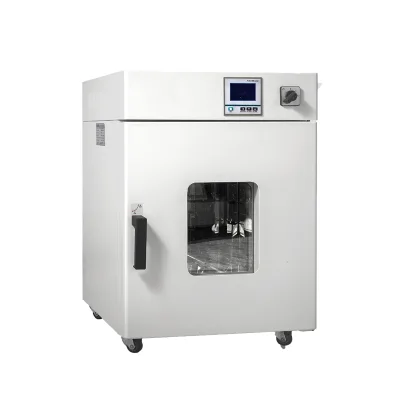
Source a lab incubator from 29 available options. Compare models like DH3600II and WP25AB, featuring stainless steel construction and CE/ISO certifications. Ideal for lab, hospital, and school applications with capacities ranging from 27L to 400L; compare the available evidence and request quotations based on your requirements.
Key considerations
Products List




Comprehensive Sourcing Guide
Lab Incubator Sourcing Guide
Procuring laboratory incubators requires a strategic approach that balances technical precision with commercial viability, ensuring that the selected equipment meets rigorous scientific standards while fitting within operational budgets. Buyers must first define their specific environmental control needs, such as temperature stability and humidity management, to narrow down the vast array of available models. The market offers diverse options ranging from simple air-jacketed units to more complex CO2-controlled systems, each serving distinct biological and chemical research purposes. Understanding these fundamental differences is crucial for selecting a device that supports long-term experimental integrity without unnecessary feature inflation.
Beyond basic functionality, sourcing decisions are heavily influenced by supply chain reliability and after-sales support structures. Buyers should evaluate suppliers based on their ability to provide consistent quality, clear warranty terms, and responsive technical assistance. The global nature of laboratory equipment manufacturing means that origin, logistics, and local service availability play significant roles in the total cost of ownership. By prioritizing suppliers with transparent communication channels and proven track records in scientific instrumentation, organizations can mitigate risks associated with equipment failure and ensure uninterrupted research workflows.
Product Scope and Observed Listing Signals
The current market landscape for laboratory incubators reveals a wide spectrum of product configurations, with observed price points ranging from approximately one to five thousand one hundred US dollars. This broad range reflects variations in capacity, control precision, and additional features such as digital interfaces or specialized heating elements. Listings frequently highlight capacities between twenty-seven and four hundred liters, indicating that buyers can find solutions for both benchtop laboratory use and larger institutional settings. The minimum order quantity is consistently observed at one unit, suggesting that suppliers cater to individual institutional purchases rather than bulk industrial contracts.
Product attributes indicate a strong emphasis on material durability and structural design, with stainless steel being a prevalent material choice for internal chambers and exteriors. Many listings specify desktop structures, which are ideal for space-constrained laboratories, while others offer larger floor-standing models. Customization options are frequently available, allowing buyers to tailor specifications such as voltage requirements or internal shelving configurations to their specific operational needs. These signals suggest a flexible market where buyers can find both standard off-the-shelf units and bespoke solutions tailored to unique research environments.
Technical Specifications to Verify
When evaluating technical specifications, buyers must prioritize temperature uniformity, control accuracy, and air circulation methods, as these factors directly impact experimental reproducibility. It is essential to verify whether the incubator utilizes air jacket or water jacket heating systems, as each has distinct advantages regarding temperature stability and recovery times after door openings. Buyers should also confirm the presence of advanced features such as digital controllers, alarms for temperature deviations, and data logging capabilities, which are critical for maintaining compliance with good laboratory practices. Understanding these technical nuances helps in selecting a unit that aligns with the sensitivity of the biological samples being cultured.
Additional technical considerations include the power requirements, typically operating on standard 220V, 50Hz supplies, and the cooling mechanisms employed in models that offer temperature control below ambient levels. Buyers should inquire about the type of refrigerant used, such as R134A, to ensure environmental compliance and efficient operation. Furthermore, verifying the internal volume against external dimensions is crucial for space planning, as listed dimensions like 570x590x930 millimeters provide a baseline for installation requirements. Ensuring that the selected model meets these precise technical criteria prevents costly mismatches between equipment capabilities and laboratory infrastructure.
Compliance and Safety Documentation
Compliance with international safety and quality standards is non-negotiable for laboratory equipment, with certifications such as CE, ISO, and SGS serving as key indicators of regulatory adherence. Buyers must request valid certification documents to verify that the incubator meets the necessary electrical safety and electromagnetic compatibility requirements for operation in their region. These certifications not only ensure user safety but also facilitate smoother customs clearance and regulatory approval processes, particularly when importing equipment from international suppliers. Verifying these credentials early in the sourcing process helps avoid legal complications and ensures that the equipment is legally operable in the intended market.
In addition to regulatory certifications, buyers should assess the manufacturer’s commitment to quality management systems and environmental standards. Documentation such as RoHS compliance indicates that the equipment is free from hazardous substances, which is increasingly important for sustainable laboratory practices. Buyers should also review warranty terms, which often span three years, to understand the scope of coverage for parts and labor. Clear documentation of these compliance and warranty details provides a safety net for procurement teams, ensuring that any potential issues are addressed promptly and without additional financial burden.
Cost Drivers and Commercial Terms
Several factors influence the final cost of laboratory incubators, including material quality, control system sophistication, and brand reputation. Stainless steel construction and advanced digital controls typically command higher prices due to their durability and precision, while basic models with manual controls may offer a more budget-friendly option. Buyers should also consider the total cost of ownership, which includes energy consumption, maintenance requirements, and potential downtime. Understanding these cost drivers allows for more accurate budgeting and helps in making informed decisions that balance initial purchase price with long-term operational efficiency.
Commercial terms such as packaging, shipping, and payment conditions also play a significant role in the overall procurement cost. Standard export packaging, often reinforced with extra-strong cartons or wooden boxes, is designed to protect the equipment during transit, but buyers should verify if additional insurance or specialized handling is required. The port of dispatch, commonly Guangzhou for many suppliers, affects shipping times and logistics costs, which can vary based on the buyer’s location. Negotiating clear terms regarding delivery schedules, return policies, and after-sales support ensures that the procurement process remains transparent and cost-effective.
Supplier Qualification and Quality Control
Supplier qualification is a critical step in ensuring the reliability and quality of laboratory incubators, requiring buyers to assess the manufacturer’s production capabilities and quality control processes. Buyers should verify the supplier’s ability to provide OEM or ODM services if custom specifications are needed, as this indicates flexibility and technical expertise. It is also important to review the supplier’s supply ability, which may be listed as one thousand pieces per month, to ensure they can meet demand without compromising quality. Establishing a relationship with a supplier that demonstrates consistent production standards and transparent communication reduces the risk of receiving substandard equipment.
Quality control measures should be explicitly discussed during the sourcing process, including pre-shipment inspections and testing protocols. Buyers should inquire about the supplier’s internal quality assurance procedures, such as temperature calibration checks and electrical safety tests, to ensure that each unit meets specified performance criteria. Additionally, verifying the supplier’s origin, whether from mainland China or Hong Kong, can provide insights into their manufacturing practices and regulatory environment. By prioritizing suppliers with robust quality control systems, buyers can confidently procure equipment that meets their scientific and operational requirements.
Long-Term Procurement Checks
Long-term procurement success depends on establishing ongoing relationships with suppliers who can provide consistent support and product updates. Buyers should regularly review supplier performance metrics, including delivery times, product quality, and responsiveness to technical inquiries, to ensure that the partnership remains beneficial. It is also advisable to stay informed about technological advancements in incubator design, such as improved energy efficiency or enhanced data connectivity, which may offer opportunities for upgrading existing equipment. Maintaining open lines of communication with suppliers ensures that buyers are aware of new products and potential improvements that could enhance laboratory operations.
Furthermore, buyers should periodically reassess their laboratory’s evolving needs to ensure that their incubator inventory remains relevant and efficient. This includes evaluating the suitability of current models for new research projects and considering the scalability of their equipment portfolio. Regular maintenance schedules and calibration checks should be enforced to prolong the lifespan of the equipment and maintain experimental accuracy. By adopting a proactive approach to procurement and equipment management, organizations can optimize their laboratory resources and support sustained scientific innovation.
FAQs
What certifications do lab incubators typically have?
Lab incubators commonly hold ISO, CE, and SGS certifications to ensure compliance with international safety and quality standards. These documents verify that the equipment meets rigorous manufacturing requirements. Buyers should verify specific certificates for their region. Some models also include RoHS certification for environmental safety. Always request valid documentation from the supplier before purchase to confirm regulatory adherence and operational reliability.
Can lab incubators be customized for specific needs?
Yes, many lab incubators offer customization options including OEM and ODM support. Buyers can request specific configurations to match laboratory workflows. Some units allow non-customized standard selections for immediate deployment. Customization availability depends on the manufacturer's capabilities. Contact suppliers directly to discuss specific requirements for volume, material, or structural adjustments to ensure the final product fits your exact operational needs.
What is the typical capacity range for lab incubators?
Lab incubators generally feature capacities ranging from 27 liters to 400 liters. Smaller units like the 27L air jacket model suit benchtop use, while larger units support high-volume storage. The specific capacity depends on the model series and internal structure. Buyers should select based on their sample volume requirements. Verify the exact internal volume specifications with the supplier to ensure adequate space for your specific laboratory applications and equipment layout.
Which materials are used in lab incubator construction?
Lab incubators are primarily constructed from stainless steel and steel for durability and hygiene. Stainless steel interiors resist corrosion and facilitate easy cleaning, which is essential for laboratory environments. The external structure may also use steel for stability. Material quality directly impacts the lifespan and performance of the equipment. Buyers should prioritize stainless steel components for internal chambers to ensure long-term reliability and compliance with strict laboratory hygiene standards.
What is the standard warranty period for lab incubators?
The standard warranty period for lab incubators is typically three years. This coverage protects buyers against manufacturing defects and ensures long-term operational support. Warranty terms may vary by supplier and specific model. Buyers should confirm the exact warranty duration and coverage details before ordering. A three-year warranty indicates manufacturer confidence in product quality and provides peace of mind for laboratory investments and budget planning.